
Drone as First Responder (DFR): Daniel Posada and his girlfriend Sandra lost their lives in a Chula Vista bus stop
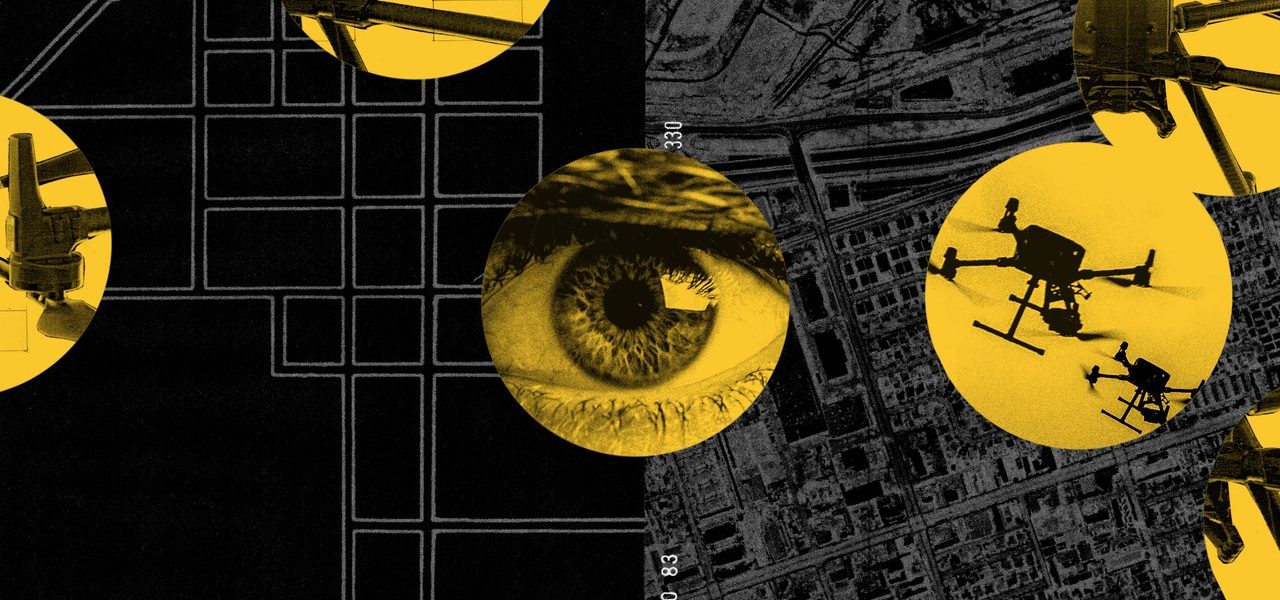
Back in October 2018, Chula Vista made headlines by becoming the first city in the nation to launch a “Drone as First Responder” (DFR) program. Here’s how it works: Teleoperators listen to live 911 calls and decide when and where to send out the department’s growing fleet of drones. The spotting of drones has become a regular occurrence for residents. Crisscrossing the skies of Chula Vista nearly 20,000 times in total, they’re often the first to arrive at scenes of noise complaints, car accidents, overdoses, domestic disputes, and even homicides.
Police department records show that no one—neither the officer monitoring the drone feed nor the person who called 911—observed any kind of physical altercation between Posada and his girlfriend that day. He says the argument wasn’t serious and that it didn’t warrant such a high-tech police response. His girlfriend was unable to be reached for comment. The money would be better served feeding and clothing unsheltered people like himself, he says, whose lives are upended every time officials break down their encampments, tossing their worldly possessions into a dumpster.
On a Wednesday afternoon in August, Daniel Posada and his girlfriend were screaming at each other at a bus stop when someone called 911. From a rooftop a mile away, the Chula Vista Police Department started the rotors of a 13-pound drone.
The machine lifted into the air with a high-resolution camera rolling. A sworn officer could monitor the screen at the precinct and send a live feed of everything it captured to the Real-Time Operations Center, the phone of the officer racing to the scene and the cell phone of the responding officer.
DFR: When Do People Feel Like They Are Being Spied on? One Chula Vista resident says he feels frightened by the drones
Some people living in these neighborhoods say that they are watched a lot. Some are afraid to spend time in their backyards or use public spaces, fearing they’re being spied on. One resident showed us his medical records, which showed severe insomnia, and said that he was so frightened by the drones that he ended up in the ER.
DFR programs provide officers with intel before they start a potentially deadly in-person contact. Residents say the drones make them feel safer. Others, though, particularly Chula Vista’s most vulnerable citizens, feel like they’re always being watched.