
The Xiaomi 15 Ultra and the 15 Ultra: How Apple and Samsung are putting out a little extra effort in their new flagships?
I’m a fan of Xiaomi’s new 15 and 15 Ultra flagship phones—even if they only bring incremental improvements over their predecessors. The phone that is the most popular among photographers is theXiaomi 15 Ultra, but the phone that is the most popular among people is the Apple iPhone 16. Both of these phones have exceptional hardware and are well-rounded, just like everyone else in the market.
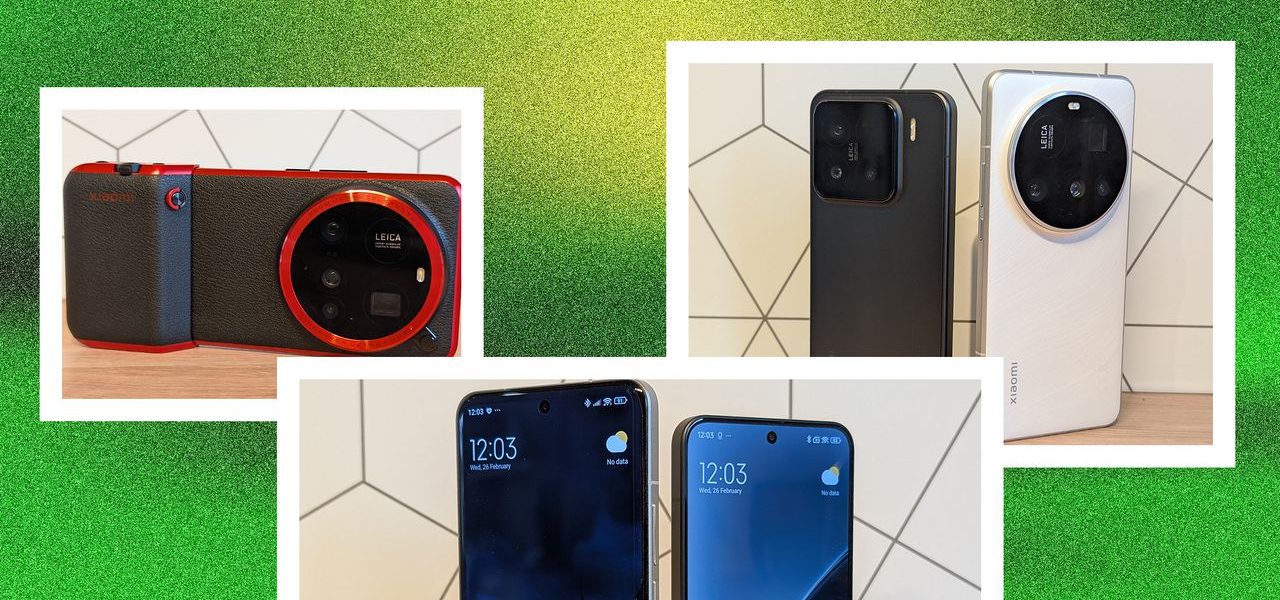
Much like the 14 Ultra, Xiaomi’s new flagship has a quadruple rear camera laid out in a large, round module that dominates the design. You can argue that this evokes the classic Leica aesthetic that is also found in the optional Photography Kit accessory. Less charitably, you could say it’s quite ugly, not helped by a less symmetrical lens layout than last year, adding to the sense that Xiaomi is desperately trying to cram the hardware in.
The downside? The 14 Ultra was never much of a looker, and the 15 Ultra’s enormous, asymmetrical camera module has taken a bad design and made it worse. I’m willing to put up with the awkward aesthetic when the camera is this good, but I’d be pretty understanding if you went the other way.
It’s by no means unusual for the latest version of a phone to be indistinguishable from the one before. I’m looking at Apple andSamsung. TheXiaomi 15 is also the same. I got a black review unit and it comes in both white and green, but the colors are the same. That said, I do like the design. It’s a compact phone that’s easy to manage one-handed, the matte finish is fingerprint-resistant, and everything is gently rounded, making it very comfortable to hold.
The biggest complaint I could muster about this camera is that it’s not that different from last year’s. If you don’t own the 14 Ultra, then that won’t be an issue for you, but it might be one for Xiaomi. Competition is intense at this end of the market in China and I wonder if rivals such as Oppo will replace the throne.
The layout is probably dictated by the new 4.3x periscope lens, which uses a 1/1.4-inch sensor and a fast f/2.6 maximum shutter speed. This is an upgrade compared to last year and the results are very impressive.
On the 14 Ultra, I found that I could use the 3.2x at will and this year, the periscope had the same effect on me. I prefer it over the main lens because it has a deeper natural depth and better look compared to the flattening effect of the primary lens. In good lighting, you can get beautiful, natural shots at up to 10x and 30x. Beyond that — going all the way up to 120x — some aggressive sharpening kicks in. This is perfect for mid-distance, and I wouldn’t consider it exceptional at extreme range.
Xiaomi 15 Ultra Review: Ugly Phone, Beautiful Camera, and Other Things I Have (not So) Done
The other three are equally as good. The main camera uses the same one-inch-type Sony LYT-900 sensor as last year, but Xiaomi has ditched the variable aperture in favor of a fixed f/1.63 approach. It seems like this lens is a little less versatile in practice, but I don’t think much is lost. Still, it’s an odd downgrade.
Battery life is good. The 5,410mAh capacity is generous, and it took a travel day with lots of photography and a couple of hours hotspotting my laptop before I started to worry about it dying. 90W wired charging will top it up quickly, with 80W wireless speeds if you invest in the official charger and significantly slower speeds on a standard Qi pad. Despite the fact that it is one of the most popular phones in the world,Xiaomi has not felt the need to invest in Qi2.
The software is a good place to look for bad things. HyperOS — Xiaomi’s Android skin — runs on top of Android 15 and shares annoyances in common with other takes on Android from Chinese OEMs. You’ll find a lot of Xiaomi-branded apps preinstalled, a few of which you can’t remove, plus a smattering of other apps you might not want, like AliExpress.
Xiaomi removed some of the OS’s customizability in its latest version. There is only one way to have five apps on a homescreen row instead of four, and it is on my 14 Ultra. A few other tasks just feel cumbersome and irritating — changing the wallpaper means forcing your way through a Themes app intent on selling you new ringtones and naff graphics.
Source: Xiaomi 15 Ultra review: ugly phone, beautiful camera
The Number of Times You Have to Hit “Agree” to Use Smart Devices Apparently Not Read or Analyze These Agreements
All smart devices demand that you agree to several terms and conditions before you can use them. It’s impossible for us to read and analyze every single one of these agreements. But we started counting exactly how many times you have to hit “agree” to use devices when we review them since these are agreements most people don’t read and definitely can’t negotiate.