
50 Years of Microsoft: An Observation from the Gates-Allen Era, Microsoft’s Future, and How It Changed Windows
Microsoft celebrates its 50-year anniversary today during a special event at its headquarters in Washington. The new features of Copilot will be announced by the software maker, which is likely to include familiar faces from the past and present of Microsoft.
Perhaps Microsoft will pull off another Surface or Windows surprise soon, but it increasingly feels like everything Microsoft does has to be tied to AI in some way. Microsoft’s 50th anniversary event is promising some Copilot news.
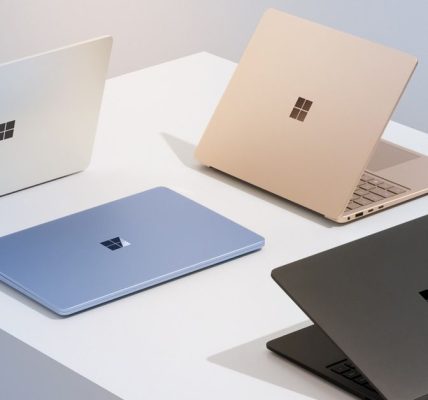
Microsoft has been experimenting with a number of different hardware over the years, but its most successful is Surface, which was launched in 2012 alongside Windows 8. Microsoft is testing its ambitions with the PC, and the Surface has served as a vehicle to demonstrate the best of Windows and Office.
Microsoft’s success with Windows and Office has allowed the company to expand in many directions over the past 50 years, including the launch of the Xbox game console in 2001, the Azure cloud push in 2008, and even the Bing search engine launch in 2009.
Soon after the launch of Windows 95, the first Windows GUI on top of Microsoft software became an even more capable operating system. Fans lined up at stores to get their hands on a copy of Windows 95 at the last minute. Windows 95 introduced many parts of Windows that we still use today, including the familiar desktop, File Explorer, My Documents area, and Recycle Bin.
Bill Gates and Paul Allen founded Micro-Soft fifty years ago. As the name implies, Microsoft was originally focused on microprocessors and software, and Gates and Allen created the company to develop software for the Altair 8800, an early personal computer.
Covering one company so tenaciously for so long is not common in tech journalism. What keeps me coming back is Microsoft’s constant ability to try new things. I have been doing this for so long and Microsoft’s success and failures keep things interesting enough for me to follow along.
I was a nerd when I was a teenager and would build PCs to run prerelease versions of Windows, and also use custom machines and monitors to house parties. I would DJ the latest MP3s I had downloaded from Napster and try to impress my friends with a secret new Windows feature they had never seen before.
While Windows didn’t impress my friends, my love for Microsoft software resulted in a gear shift with Windows XP. It was a departure from Windows 2000 and Windows ME, and there was lots to play around with during the early alpha builds.
Microsoft issued public builds of Windows XP in late 2000, but the really interesting parts were hidden away in the daily builds that Microsoft’s Windows engineers were working on. I wanted to get access to as many of them as possible and so began to download and install the leaked builds of Windows. My curiosity in how Windows was being developed led me to join internet forums like Neowin, where many of Microsoft’s leaks were being discussed.
After a forum poster leaked a software development kit, Microsoft’s legal reps decided to go directly to Neowin’s host to take the site offline. The backlash made Microsoft aware of the emergence of online communities and overly enthusiastic bloggers like me.
Despite the legal scare, I continued with my online activities and was able to break a story that got the attention of the British Broadcasting Corporation. I walked into work on the next day and the people who had watched my appearance on breakfast applauded and clapped as they realized thousands of Hotmail passwords had been posted online.
Windows Live Blog Solo: A Highlight of The Verge, Windows 10 Consumer Preview, and Windows 10 (Covid-19), Windows Team Launch, and HoloLens
A few months later, I returned to Barcelona for 2012’s Mobile World Congress. One of the highlights of this particular show was the Windows 8 consumer preview. In recent months I had become so angry with the team at the windows that I had been blacklisted from early access to the Windows 8 Preview, but I wouldn’t let that stop me from getting my new job at The Verge.
I sat in my hotel room and shot an iPad versus Windows 8 video, which somehow managed to get more than a million views despite being filmed on the ugliest carpet known to man.
I had a long history of competing for Microsoft stories and it was no coincidence that my coverage of Windows Phone and Windows caught the attention of The Verve. After leaving the corporate IT world in late 2011, I took a job at The Verge just a couple of months after the site was founded.
The excitement around Windows 8 quickly faded, though. The lack of a Start button, the new full-screen apps, and the Start menu were all unpopular with Windows fans. The company tried to fix issues with Windows 8.1 but it wasn’t until Windows 10 that they were fixed.
I covered the Windows 10 announcement live blog solo. In order to shoot photos and live blogs on features at the same time, I had to stream the event. It was stressful, but my years of covering the company as a side job meant I could pull it off.
Microsoft’s big hardware bet on HoloLens was also unveiled at the same time as Windows 10. I was amazed by the augmented reality version ofMinecraft and the ability to use skype to video call someone and draw on the environment right in front of me while wearing this headset.
The covid-19 pandemic happened after that. Microsoft was no longer a vision of dual-screen computing, but a reality of everyone working from home. The focus quickly shifted to Microsoft Teams and even the launch of the company’s Xbox Series S / X consoles. I couldn’t travel to events, so Microsoft shipped me its Xbox Series X months before it was ready to be released. It was a memorable moment, because I suddenly had a long time to review an important new product, instead of just a week.
Bill Gates could jump over a chair to celebrate 50 years, or Steve Ballmer could scream at developers, or Nadella could speak to the future of Microsoft.
I’m always keen to hear from readers, so please drop a comment here, or you can always reach me at [email protected] if you want to discuss anything else. If you’ve heard about any of Microsoft’s secret projects, you can reach me via email at [email protected] or speak to me confidentially on the Signal messaging app, where I’m tomwarren.01. I am also on Telegram, if you would like to talk. Thanks for being a subscriber to Notepad.